


Quick Links

What Are Ceramic Crowns?
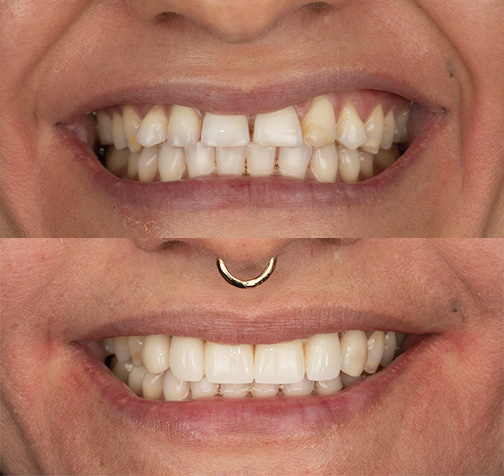
Ceramic crowns are tooth-shaped caps made with high-quality ceramic materials that cover and protect the visible portion of a damaged or weakened tooth. They are designed to restore strength, function, and appearance, making them ideal for teeth that are cracked, fractured, heavily decayed, or misshapen. Unlike metal-based crowns, ceramic crowns offer aesthetic benefits because they closely mimic the translucency and light reflection of natural enamel. Each crown is custom-fabricated to blend with surrounding teeth, providing a natural and long-lasting solution.
Who Is a Candidate for Ceramic Crowns?
Ceramic crowns are ideal for patients who have:
• Teeth that are cracked, fractured, or severely worn
• Large fillings that weaken tooth structure
• Tooth discoloration or misshapen teeth
• Teeth that have undergone root canal therapy
• A desire for a metal-free, natural-looking restoration
During your consultation, Dr. Lopez or Dr. Sosa will examine your teeth, discuss your goals, and determine whether a ceramic crown is the best option for restoring your smile.
The Ceramic Crown Process
- Consultation and Examination
We start with a comprehensive dental exam, including X-rays and photographs, to assess the tooth’s condition and plan your restoration. - Tooth Preparation
The tooth is reshaped to create space for the crown. Any decay or old filling material is removed, and the tooth is smoothed for a seamless fit. - Impressions and Custom Fabrication
An impression of your tooth is taken and sent to a dental lab, where your crown is custom-made to match your color, shape, and fit. - Temporary Crown Placement
While your permanent crown is being made, a temporary crown is placed to protect your tooth and maintain your bite. - Crown Placement and Adjustments
Once your ceramic crown is ready, it is bonded securely to your tooth, and any necessary adjustments are made to ensure comfort and a natural appearance.
Results and Care
Ceramic crowns can last 10 to 15 years or longer with proper care. You must maintain your crown by brushing and flossing daily, attending regular dental checkups, and avoiding habits such as biting on ice or hard objects. Because ceramic crowns resist staining, they will continue to appear natural for years, but limiting dark-colored foods and beverages can help preserve their brightness. If your crown becomes loose or damaged, it can be repaired or replaced to restore your smile.
Ceramic Crowns FAQs
What are ceramic dental crowns and how do they work?
How long do ceramic crowns usually last?
Can a ceramic crown come loose or pop off?
Are ceramic crowns better than metal crowns?
Who is a good candidate for ceramic crowns?
Do ceramic crowns look like real teeth?
What is the process of getting a ceramic crown?
Is getting a ceramic crown painful?
How do I take care of a ceramic crown?
Can ceramic crowns stain or change color?
When does a ceramic crown need to be fixed or replaced?
Schedule a Consultation
If you are considering ceramic crowns, our team at SoLo Dental in Bloomington, IL, is here to provide high-quality, personalized care. Dr. Diana Lopez and Dr. Cristian Sosa will work with you to restore your teeth. Contact us today through our online form to schedule your consultation.
Dedicated to Your Comfort
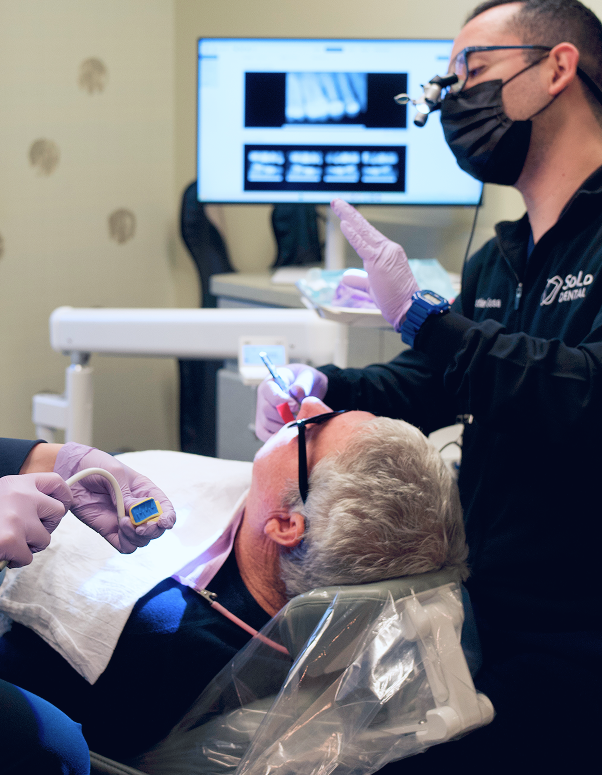
At SoLo Dental, our patients are always welcomed with a smile and a genuine commitment to comfort, trust, and expertise. Our team takes pride in creating a friendly, approachable atmosphere where personalized care always comes first. To learn more about our mission, services, and community focus, you can explore our blogs or read more about us below.


Our Mission
At Solo Dental, our mission is to deliver exceptional, modern care by combining advanced technology with personalized treatment. We enhance health and confidence through expert general, cosmetic, and implant dentistry.
Learn More About Us